Hey everyone, let’s cut to the chase: when I’m hauling stacks of shirt boxes out of our warehouse every week, the question I get more than any other is this—can these things actually be reused? Not just tossed in a closet after someone’s new purchase, but reused properly, without all the flimsy tape or crumpled corners ruining them? As a shirt box supplier who’s spent the last 8 years actually looking at these boxes (not just designing them and moving them out the door), I’ve got way more thoughts than the quick “yes/no” Google answer will give you. Spoiler: it’s not as simple as you think. Let’s break this down. Shirt Box
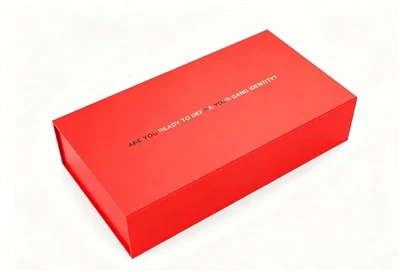
First off, let’s talk about what most people mean by “reusing a shirt box.” For a lot of folks, it’s shoving a random item in the box and calling it a day—like a birthday gift for a friend’s hoodie, or storing old socks and belts under the bed. For small business owners (shoutout to all the Etsy sellers and local boutique owners I chat with on the daily), it might mean using them to ship their own products, or as retail packaging for their stuff. And for the environmental crew? It’s cutting down on waste, right? Let’s cover both the everyday use and the business side, because that’s where the real value (and the real limitations) pop up.
First, the basics: what makes a shirt box good for reuse? Most standard shirt boxes are made from corrugated cardboard, not that flimsy single-ply stuff you get with a fast-food toy. The base is usually 200-275 GSM cardboard (for the non-industry folks, that’s thick enough to hold a 5lb stack without bending), and most of us coat the inside with a thin poly layer? Wait, no—wait, actually, let’s be real. A lot of budget shirt boxes skip the poly liner to keep costs down, which is a good thing for reusability, because poly lining makes them water-resistant but also harder to recycle. But some higher-end boxes do have that liner for premium unboxing experiences, and that’s where things get tricky.
Let’s start with everyday reuse, the stuff regular people do at home. I’ve had customers DM me saying they used their old shirt box to move college textbooks (genius, by the way—way cheaper than a moving box) or to store their Christmas ornaments in the attic. But here’s the catch: if you’re going to reuse a shirt box for everyday stuff, you gotta prep it first. I know, I know, no one wants to put in extra work for a free box, but trust me, 5 minutes of tidying saves you from a disaster. Take off all the shipping tape—most people leave that crumpled residue all over the box, and it catches on everything. Flatten the folded edges that got bent when you pulled the shirt out; if a corner’s creased deep, just run a warm iron over it (on low heat, through a thin cloth) to get most of the kink out. And if there’s a logo from our brand on it? No big deal, that’s just part of the story—you can cover it with a piece of colored paper if you want, or just embrace it. Wait, but what about water damage? If you leave the box in the bathroom by the shower, yeah, it’ll warp. So keep it in a dry spot, and it’ll last for 3-5 years easy. I still have a box from my first year in the business (circa 2015) that I use to store my son’s old baseball cards—still works like a charm.
Now, the bigger question for a lot of people: can business owners reuse our shirt boxes for shipping? That’s where I get the most questions, because shipping packaging is a huge cost, and everyone’s trying to cut down on waste too. Let’s be honest—our standard shirt boxes are not designed for heavy, rough shipping. If you’re sending a package cross-country on a FedEx truck, getting tossed around 10 times, our boxes are probably gonna get banged up a bit. But for local deliveries, or small, light items (like jewelry, socks, accessories), they’re totally fine. I had a client last year who runs a small candle shop in Portland, and she uses our 12×16 inch shirt boxes to ship her 8oz candles to customers in Oregon and Washington—no issues, zero returns for damaged packaging. She told me she saves $200 a month on new shipping boxes by reusing them, and she even adds a little sticker inside that says “This box was reused! Thanks for keeping it local” and her customers love it. That’s a win-win, right? No extra cost, less waste, happy customers. But wait—if you’re shipping something fragile, like glass or a figurine? Don’t do it. Our boxes don’t have the extra corrugation padding that a shipping box has, so they’ll break. That’s just common sense, and I’d never steer a customer wrong on that.
Now, let’s talk about the elephant in the room: sustainability. I’m not here to greenwash anything—reusing a shirt box is way better for the planet than throwing it away and buying a new one, right? Studies say that reusing a cardboard box cuts its carbon footprint by 70% compared to recycling it, because recycling uses more water and energy to break down the cardboard. Wait, let me get that right—yeah, a 2021 study from the Paper and Packaging Board found that each reuse of a corrugated cardboard box reduces its environmental impact by about two-thirds, compared to making a new one from virgin fiber. That’s a big deal. But here’s the thing: if you reuse a box so many times that it starts to fall apart (edges tearing, corners caving, cardboard turning to mush), then it’s time to let it go. You can’t reuse a box that’s falling apart, obviously—you’d just be wasting more stuff by using it to ship or store heavy items. So it’s a balance: reuse it as much as you can before it’s too far gone, then recycle it. That’s the sweet spot.
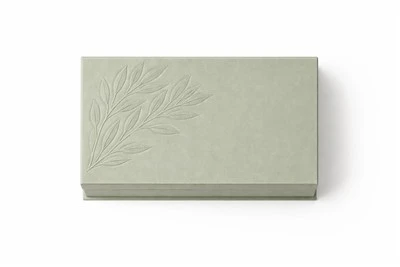
Wait, but what about the high-end boxes? The ones with the fancy finish, the magnetic closures, the satin inserts? A lot of people ask me about those—can you reuse those? Absolutely, even more than the standard ones, because they’re built to be nice. I’ve had customers who use their magnetic shirt boxes as jewelry boxes, or to store their watch collection, or even as a desk organizer for their office supplies. Those boxes are made to last, so they can be reused for years without any problem. In fact, a lot of luxury brands actually design their packaging to be reused, because it’s part of the brand experience. I worked with a small men’s suit brand last year, and their shirt boxes had a little note that said “This box is yours to keep. Store your ties, cufflinks, or whatever you want” and they sold extra inserts to turn the box into a travel case. That’s genius, and it makes customers feel like they’re getting more than just a shirt when they buy.
But let’s be real, there are some downsides to reusing shirt boxes, and I don’t want to sugarcoat it. First, they’re not always the right size. If you need a small box for a pair of socks, and your old shirt box is way too big, it’s not practical. Yeah, you can fill the extra space with packing peanuts, but that’s extra work. Second, shipping tape residue. I’ve spent hours peeling old tape off boxes because I want to reuse them, and it’s a pain. There are products like goo gone that take it off, but that’s extra time and money, and not everyone wants to deal with that. Third, sometimes the logo or the branding doesn’t match what you’re using the box for. If you’re a business selling organic tea, putting a box with a suit brand’s logo on it for your tea shipments might not look very professional. That’s a valid concern, so a lot of businesses will cover the logo with a plain paper or a custom sticker if they’re reusing.
Wait, let’s also talk about common mistakes people make when reusing shirt boxes. First, not prepping them properly. I see this all the time—someone grabs a box with crumpled tape, bent corners, and a coffee stain on it, and uses it to ship something. That’s gonna get damaged, or damage what’s inside. Take the extra 5 minutes to clean it up, fix the corners, get rid of the tape. Second, reusing them too many times. I’ve had a customer ask me if he can reuse a shirt box 10 times, and I had to say no. After 3 or 4 uses, the cardboard starts to lose its rigidity, especially if it’s been exposed to moisture. So know when it’s time to retire the box—if you can bend the corner with one finger, it’s done. Third, using it for something it’s not designed for. Don’t use a shirt box to move heavy items like bricks or books for a long distance, don’t leave it in the rain, don’t stack 10 boxes on top of it. That’s just asking for it to break.
Now, as someone who’s been in the shirt box game for 8 years, I can tell you that the demand for reusable packaging is way higher than it was 5 years ago. Customers don’t just want a shirt in a box—they want a box they can use again. That’s why we started making our boxes with minimal branding, plain or with a subtle stamp instead of a loud full logo, and why we use thicker cardboard that holds up better to reuse. We even sell “pre-loved” boxes at a discount to small businesses, so they can reuse them without having to pay full price, which is something we started doing during the pandemic when supply was tight and everyone was trying to save money. It’s been a huge hit—our repeat small business clients say it’s one of the best things we’ve ever done.
Wait, let’s circle back to the original question: can a shirt box be reused? The short answer is yes, 100%—if you use it right. The long answer is it depends on what you’re using it for, how well you prep it, and how often you reuse it. For everyday home use, it’s basically a free, sturdy storage box that’ll last years. For small businesses, it’s a cheap, eco-friendly shipping option that cuts costs and makes customers happy. For luxury shoppers, it’s a stylish organizer that adds value to their purchase. The only time it can’t be reused is if it’s damaged beyond repair, or you’re using it for something it’s not built for.
At the end of the day, reusing packaging is all about reducing waste, and that’s something we all should be doing more of. I know it’s easy to just throw a box away and grab a new one, but next time you get a shirt in the mail, don’t toss the box in the recycling bin right away. Give it a quick wipe, peel off the tape, and stick it in your closet for later—you’ll be surprised how many times you can use it for something useful. And if you’re a small business owner looking to cut costs on packaging without sacrificing quality, don’t hesitate to reach out to talk about how we can work together to make reusable packaging work for you.
Before I wrap this up, a quick note: I get that not every box is made the same. Some cheap, thin boxes from big box stores will only hold up once or twice, but the boxes from quality suppliers are built to last. That’s why it’s worth buying a good box in the first place—you’ll get way more reuse out of it, and it’s better for the planet in the long run.
If you have any questions about reusable packaging, or want to learn more about our options for small businesses, feel free to connect with us to discuss your needs.
Cosmetic Box References:
- Paper and Packaging Board. (2021). Environmental Impact of Corrugated Cardboard Reuse.
- Sustainable Packaging Coalition. (2022). Reusable Packaging Best Practices for Small Businesses.
- Global Cardboard Council. (2020). Durability of Corrugated Packaging for Multiple Reuses.
Dongguan Jinying Printing Co., Ltd.
As one of the most experienced shirt box manufacturers and suppliers in China and Vietnam, we also support custom service and OEM service. Welcome to buy bulk luxury shirt box at competitive price from our factory. If you have any enquiry about cooperation, please feel free to email us.
Address: No. 5, 1st Road, Jingshan Third Industrial Zone, Chashan Town, Dongguan City, Guangdong Province
E-mail: inquiry@dg-jinying.com
WebSite: https://www.gpspacking.com/
