If you’ve ever stared at a half-empty bag of roasted nuts, a block of artisanal cheese, or a jar of homemade pickles in your pantry, wondering how to make those staples last months instead of weeks, you’re not alone. As someone who’s been in the aluminum foil bag supply industry for over a decade, I field this question from small-batch bakers, organic farm owners, and even family members who swear by mason jars for everything: Are aluminum foil bags good for long-term food storage? Aluminum Foil Bag

The short answer is yes—but only when you understand why these pouches work, what makes them different from plain plastic or even rigid containers, and how to use them right. Over the years, I’ve seen customers switch from outdated storage methods and watch their food stay fresh 2–3 times longer, and I’ve also seen others make mistakes that left them frustrated and questioning the material’s effectiveness. Let’s break this down with the kind of real-world context you won’t find in generic product ads.
First, let’s talk about the science that makes aluminum foil bags a long-term storage workhorse. Unlike thin plastic bags (think grocery store produce bags or even the clear resealable bags you buy at the drugstore), most quality aluminum foil bags are multi-layered: they have a core of food-grade aluminum foil, paired with layers of polyethylene (for flexibility and sealing), sometimes nylon (for tear resistance), and occasionally a layer of PET (for extra barrier strength). That multi-layer structure is what changes everything for long-term storage.
Aluminum itself is an inert metal—meaning it doesn’t react with food, even acidic or high-fat items like tomato sauce, cured meat, or nuts with added oils. Unlike plastic, which can leach trace chemicals over time, especially when exposed to heat, aluminum is non-toxic and doesn’t transfer flavors or odors. That’s a big deal for long-term storage: you don’t want your jars of jam tasting like the bag they’re stored in, or your smoked salmon picking up notes from leftover grains.
The biggest superpower of aluminum foil bags, though, is their barrier properties. Food spoils for four main reasons: moisture loss, moisture gain, oxygen exposure, and light damage. Let’s go through each, and how foil bags stop them.
Oxygen is the enemy of most long-lasting food. When oxygen hits grains, nuts, dried fruit, or even cured meat, it causes oxidation: fats go rancid, vitamins break down, and mold can grow over time. Aluminum foil is nearly 100% impermeable to oxygen—way better than glass, which has tiny microscopic pores that oxygen can seep through over months, or thin plastic, which lets oxygen pass through like a sieve. I recently had a customer who stores heirloom wheat berries for his small bakery in our 5-mil aluminum foil bags. He told me he used to keep them in glass jars and noticed the berries going stale in 3 months; now, they’re still crisp and full of flavor after 10 months. That’s the oxygen barrier at work.
Moisture is another big one. If you store dried goods (beans, rice, jerky) in a place with high humidity, they’ll absorb moisture and get moldy or clumpy. If you store items that need to stay dry (dehydrated herbs, powdered milk) in a damp basement, moisture can ruin them. Aluminum foil is also impermeable to moisture, so it creates a moisture lock that works both ways. We also add a heat-sealable edge to our bags, which eliminates the gaps that are common with twist ties or zip-top bags. A lot of customers don’t realize that even a tightly closed zip-top bag lets small amounts of moisture in over time; heat-sealing an aluminum foil bag eliminates that entirely.
Light damage is often overlooked, especially for food stored in cabinets or pantries. Light—especially UV light from sunlight or even indoor fluorescent lights—breaks down nutrients like vitamin C, A, and E, and can cause fats to go rancid. Clear plastic or glass lets light pass through, but aluminum foil blocks 100% of that light. That’s why products like coffee, chocolate, and cured meats almost always come in foil packaging for long shelf life. I had a coffee roaster client last year who was seeing his whole bean coffee go stale 2 weeks after opening; switching to our foil bags with a one-way degassing valve (more on that in a minute) extended its shelf life to 3 months unopened, and 1 month after opening, just by keeping light out.
Now, I’m not going to pretend aluminum foil bags are perfect for every long-term storage job. There are a few caveats that I’ve learned over the years, and these are the things I always tell new customers. First, not all aluminum foil bags are the same. Cheap, thin foil bags (the kind you buy in bulk for packing lunches) have a much thinner aluminum layer, sometimes only 1–2 mils, compared to the 3–7 mil layers we use for long-term storage. Those thin bags can puncture easily, and their barrier properties are nowhere near as good. I once had a customer buy a cheap bulk pack of foil bags from a big-box store for storing his emergency food supply; a month later, half the bags had small punctures from sitting on a concrete shelf, and his rice was moldy. For long-term storage, always specify bags made with thick, food-grade aluminum, multi-layer construction, and heat-sealable edges.
Second, some items need extra considerations. For example, if you’re storing food that produces gas over time—like whole beans, coffee, or fermented foods—regular aluminum foil bags will trap that gas, leading to bulging or even bursting. That’s why we add one-way degassing valves to our specialized food storage foil bags; the valve lets gas escape while keeping oxygen out, which is perfect for these items. For other products, like dried jerky or grains, standard foil bags work great, but only if you remove as much air as possible before sealing. We recommend using a vacuum sealer with compatible foil bags for the longest possible shelf life, but even a manual heat seal will get you most of the way there.
Third, storage conditions matter just as much as the bags themselves. I can sell you the thickest, best foil bags in the world, but if you store your food in a hot, humid attic, it’s going to go bad faster. Long-term food storage works best in cool, dark, dry places—pantries, basements (as long as they’re not damp), or climate-controlled storage units. Even with foil bags, temperatures above 70°F will speed up oxidation, so keeping your food below that range is ideal.
Let’s talk about real-world use cases, because that’s what matters most. I’ve worked with hundreds of customers over the years, so here are the scenarios where aluminum foil bags outperform every other storage option:
-
Long-term dried goods: Rice, beans, lentils, quinoa, flour, and dried legumes. We have a farm client who stores a 6-month supply of these for his family and sells bulk bags to local customers. He swears by our 5-mil foil bags, which keep his flour from getting weevils (yes, weevils can get through plastic and even glass over time, but foil blocks them) and his rice from going stale.
-
Specialty foods: Homemade jams, jellies, pickles, cured meats, and smoked fish. These are often acidic or high in fat, which means they react poorly with thin plastic. Foil bags keep them safe, and their opaque light-blocking properties keep their color and flavor intact. A small-batch jam maker in Oregon told me last year that her jams used to grow a mold on the surface after 2 months in glass jars; switching to foil bags for long-term storage extended that to 6 months without any mold.
-
Emergency food and prepping: Preppers have been using foil bags for decades for good reason. They’re lightweight, puncture-resistant when thick enough, and far more durable than glass, which can break if dropped or knocked over. Our customers who do bulk emergency storage often pair foil bags with oxygen absorbers for grains and beans, which, when combined, extend shelf life to 5+ years—something no plastic or glass container can do.
-
Artisanal and small-batch products: If you’re a baker, coffee roaster, or cheese maker selling your products, foil bags let you offer a longer shelf life without adding preservatives. We supply a craft chocolate maker in Vermont who uses our foil bags to store dark chocolate bars; they stay smooth and free of bloom (that white, chalky film that forms when chocolate goes bad) for up to a year, compared to just 3 months in plastic.
Now, let’s clear up a common misconception I hear all the time: Are aluminum foil bags safe for long-term food contact? This is a big one, especially with concerns about plastic leaching. All of our foil bags are made with FDA-approved, food-grade materials. The aluminum layer is food-grade, and the inner layers that touch food are BPA-free, non-toxic polyethylene. Unlike aluminum foil you’d use for wrapping leftovers at home, our commercial foil bags are laminated with plastic layers that prevent direct food contact with the aluminum, so there’s no risk of leaching. I know some people worry about aluminum exposure, but studies from the Food and Drug Administration and the World Health Organization confirm that the amount of aluminum that could transfer from these bags is far below safety limits, even for long-term storage.
That said, there is a minor consideration for high-acid foods stored at very high temperatures. If you’re storing tomato sauce or citrus-based jams in a foil bag in an attic that hits 90°F, you might want to use a liner of food-grade plastic inside the bag, though even this is rarely a concern for most home or small-batch storage. For the vast majority of users, regular foil bags work perfectly.
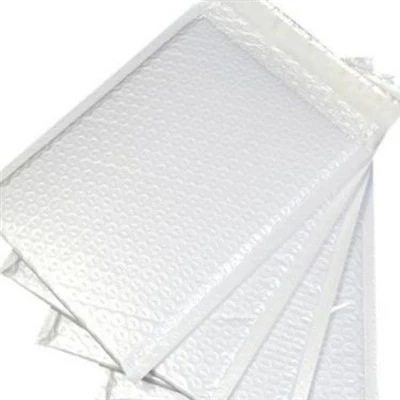
So, to circle back to the original question: Are aluminum foil bags good for long-term food storage? For most people, the answer is a resounding yes. They outperform plastic and glass in barrier properties, keep food fresh longer, are lightweight and durable, and are safe for food contact when made correctly. The key is to choose high-quality, multi-layer, food-grade foil bags, use proper sealing and air removal, and store your food in ideal conditions.
Bulk Bag If you’re looking to switch your long-term food storage to foil bags, whether you’re a home prepper, a small-batch food producer, or a farm storing harvests, we can help. Our team has worked with thousands of customers to size the right bags for their needs, offer custom printing for products, and advise on best practices for sealing and storage. We don’t just sell bags—we help our customers keep their food fresh for as long as possible. If you’re ready to learn more, get in touch to discuss your specific storage needs.
References
- Food and Drug Administration. (2023). Food Contact Substances: Aluminum Foil and Laminated Films. U.S. Department of Health and Human Services.
- World Health Organization. (2021). Aluminum in Drinking Water and Food: Health Risks and Exposure Limits.
- Robertson, G. L. (2013). Food Packaging: Principles and Practice (3rd ed.). CRC Press.
- Institute of Food Technologists. (2020). Barrier Properties of Flexible Food Packaging Materials and Their Role in Shelf Life Extension.
- National Center for Home Food Preservation. (2022). Long-Term Storage of Dried Foods and Emergency Food Supplies.
Heze Jinniu Plastics Co., Ltd.
As one of the most professional aluminum foil bag manufacturers in China, we have world-leading production equipment and strong manufacturing capabilities. Please rest assured to wholesale bulk high quality aluminum foil bag for sale here from our factory.
Address: South section of Renmin Road, Heze City, Shandong Province
E-mail: lishaobin2379@163.com
WebSite: https://www.jnbulkbags.com/
