If you’ve ever placed a custom CNC turned part next to its blueprint, you know that the material you choose isn’t just a footnote on a spec sheet—it’s the backbone of its performance, durability, and cost. As a CNC turning service provider that’s worked with small-batch medical parts, mass-produced automotive components, and one-off custom prototypes for over a decade, I can tell you that picking the right material is half the battle. I’ve seen first-hand how cutting corners on material grade leads to parts that crack under pressure, wear out too quickly, or simply don’t fit the tight tolerances required for today’s manufacturing projects. Today, I’m breaking down the most common, reliable materials we work with in our CNC turning service, along with their use cases, pros, and the scenarios where each makes total sense. No jargon overload—just real-world lessons we’ve learned serving clients across industries. CNC Turning Service
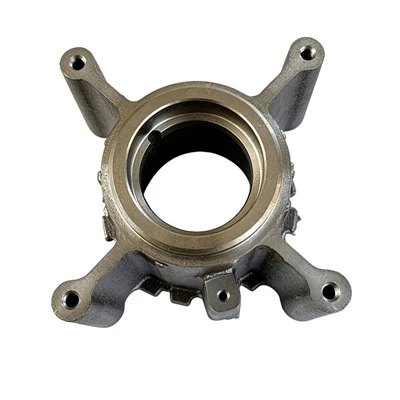
Let’s start with the most widely used material in CNC turning across almost every sector: carbon steel. Carbon steel is an alloy of iron and carbon, with small amounts of manganese, sulfur, phosphorus, and silicon added to boost machinability. What makes it the workhorse of our CNC turning shop? It’s affordable, widely available, and can be heat-treated to adjust hardness, strength, and toughness. We split carbon steel into three main grades for turning, each suited for different jobs. Low-carbon steel, which has less than 0.3% carbon, is soft, easy to machine, weld, and form—perfect for parts like brackets, pins, and fasteners where formability matters more than extreme strength. We often work with 1018 steel, the most common low-carbon grade, for custom bolts, shaft sleeves, and small structural components for industrial equipment. Medium-carbon steel, with 0.3-0.6% carbon, is where things get interesting. It’s strong enough for load-bearing parts like gears, crankshafts, and connecting rods, and can be quenched and tempered to boost its hardness and wear resistance. Most recently, we fulfilled an order for a set of custom industrial pump shafts made from 1045 medium-carbon steel for a manufacturing client in the Midwest—they needed parts that could handle constant rotational stress without bending, and 1045 checked every box, including our tight +/-0.005-inch tolerance requirement. Then there’s high-carbon steel, with more than 0.6% carbon. It’s the hardest and most brittle of the carbon steels, so it’s ideal for cutting tools, springs, and high-wear components like bushings or blades. The trade-off? It’s trickier to machine—it requires slower cutting speeds and sharp tools to avoid cracking, so we adjust our CNC parameters accordingly. If you need a CNC turned part that needs to hold up under heavy friction, high-carbon steel is usually the way to go.
Next, stainless steel—one of our most requested materials, especially by medical, food and beverage, and marine clients. Stainless steel’s superpower is its chromium content, usually around 10.5% or more, which creates a thin, self-healing oxide layer that prevents rust and corrosion. We work with four primary stainless steel grades for CNC turning, and each has its own niche. Austenitic stainless steels, like 304 and 316, are the most formable and weldable, making them perfect for parts that need to hold shape without breaking. 304 stainless steel is the general workhorse—we use it for everything from custom valve components to decorative hardware and kitchen equipment. 316 is the marine-grade workhorse; it has added molybdenum, which makes it corrosion-resistant to saltwater, chemicals, and extreme temperatures. Last year, we worked with a marine engineering firm to CNC turn custom hull fittings and rope cleats from 316 stainless steel—they told us their old parts made from regular steel rusted within a season, and switching to 316 cut their replacement costs by 70%. Then there’s ferritic stainless steel, like 430, which is magnetic, less expensive than austenitic grades, and has good corrosion resistance for mild environments. We use it for non-load-bearing parts like trim pieces, appliance components, and fasteners where cost is a priority but rust resistance is needed. Martensitic stainless steels, like 416 and 440C, are the hard ones. They can be heat-treated to high hardness, making them ideal for tools, bearings, and wear-resistant parts. 416 is free-machining, which means it has additives that make it easier to turn on our CNC lathes—great for parts like bolts and screws that need precise threads. 440C is the high-end hard stainless, used for high-wear components like bearings, cutlery, and valve seals. The catch with stainless steel? It’s stickier than carbon steel—its tendency to work-harden during machining means we have to use sharp, rigid tools and adjust cutting speeds to avoid built-up edge (when material sticks to the tool and ruins surface finish). But for the right part, the corrosion resistance is worth the extra effort.
Moving on to aluminum—lightweight, non-corrosive, and incredibly machinable, aluminum is a go-to for aerospace, automotive, and consumer electronics clients. As a CNC turning service, we love aluminum because it cuts fast, produces smooth finishes, and is easy to work with for both prototypes and full production runs. The most common aluminum grades we use are 6061 and 7075, with some smaller jobs for 5052 and 2024. 6061 is the all-around workhorse aluminum—it’s heat-treatable, has good strength, excellent corrosion resistance, and is easy to machine. We use it for a huge range of parts: brackets, fittings, camera mounts, and even custom bike components. It’s also lightweight, which makes it perfect for automotive and aerospace parts where weight savings are critical. Last quarter, we fulfilled a small-batch order for custom drone motor housings from 6061 aluminum— the client needed parts that were light, durable, and could be machined to precise tolerances, and 6061 fit the bill perfectly. 7075 is the high-strength aluminum, often called “aircraft grade.” It’s stronger than 6061, with almost the same weight, but it’s less corrosion-resistant and harder to machine. We save 7075 for load-bearing parts that need maximum strength, like aircraft components, aerospace fittings, and high-performance automotive parts. It’s also more expensive than 6061, so it’s not the right choice for every job. The key to machining aluminum fast is using sharp tools—aluminum’s softness means it can melt and stick to dull tools, ruining surface finish and dimensional accuracy. We also use coolant to keep the part cool and flush away chips, which is especially important for deep, thin-walled parts that can distort if they get too hot.
For parts that need to withstand extreme temperatures or high loads, we turn to alloy steels. Alloy steels are iron-based alloys that have added elements like chromium, nickel, molybdenum, or vanadium, which boost strength, toughness, and wear resistance way beyond what carbon steel can offer. We work with a few key alloy steel grades, including 4140, 4340, and tool steels like D2. 4140 is the most common alloy steel—it’s strong, tough, and can be heat-treated to a range of hardness levels, making it ideal for parts like gears, shafts, bolts, and load-bearing components for construction and automotive. It’s also more affordable than high-carbon or specialty alloys, so it’s a middle ground for parts that need more strength than medium-carbon steel can provide. 4340 is a higher-strength alloy steel, with added nickel and chromium that make it stronger and more impact-resistant than 4140. It’s used for extreme-load parts like heavy equipment shafts, aerospace components, and military hardware. It’s more expensive and harder to machine than 4140, so we reserve it for jobs where the extra strength is non-negotiable. Tool steels, like D2, are the hardest alloy steels, designed specifically for cutting tools, molds, and high-wear components. They can be heat-treated to over 60 HRC (Rockwell hardness), making them nearly impossible to scratch. The downside? They’re extremely hard to machine—we use specialized tools and slower cutting speeds, and sometimes even use EDM for complex features that are too hard to turn. We recently worked with a tool manufacturer to CNC turn custom mold cores from D2 tool steel, and the parts have held up to millions of molding cycles without showing significant wear.
Plastics are another huge category, especially for low-cost, non-corrosive, or electrically insulated parts. We work with engineering-grade plastics, not the cheap hobbyist ones, because they’re designed to hold up to machining and performance requirements. The most common plastics for CNC turning are ABS, nylon, PVC, PEEK, and Delrin (acetal). ABS is the cheapest, most common engineering plastic—easy to machine, impact-resistant, and widely used for consumer goods, toy parts, and non-structural brackets. Nylon is strong, lightweight, and self-lubricating, making it ideal for bearings, bushings, and gears where low friction is needed. It’s also resistant to chemicals and abrasion, so it’s used in industrial equipment and automotive parts. PVC is rigid, chemical-resistant, and often used for piping and electrical components, but it releases fumes when machined, so we take extra ventilation precautions. PEEK is the high-end engineering plastic—heat-resistant, strong, chemically inert, and even biocompatible, making it perfect for medical parts, aerospace components, and oil and gas equipment that operates in extreme environments. It’s expensive and hard to machine, but for parts that need to perform where metals can’t, it’s the only choice. Delrin (acetal) is our go-to for precision parts that need tight tolerances and low friction—its low coefficient of friction makes it ideal for gears, cams, and plumbing components. It holds threads extremely well and produces smooth finishes, so it’s a favorite for small, custom parts. Machining plastics requires a different approach than metals—they melt easily, so we use high cutting speeds and sharp tools, and we don’t apply too much coolant (which can cause plastic to warp or swell).
We also work with more specialized materials for unique use cases: brass, bronze, titanium, and even exotic alloys like Inconel. Brass is a copper-zinc alloy, highly machinable, corrosion-resistant, and antimicrobial, making it perfect for decorative parts, valves, fittings, and electrical components. It’s soft, cuts fast, and produces a beautiful, machined finish—we love it for custom hardware and plumbing parts. Bronze, a copper-tin alloy, is stronger than brass, wear-resistant, and often used for bearings, bushings, and marine components. Titanium is lightweight, extremely strong, corrosion-resistant, and biocompatible—used heavily in aerospace, medical implants, and high-performance automotive parts. It’s more expensive than steel or aluminum, and it’s trickier to machine because it’s prone to work-hardening and can damage tools, but for parts where strength-to-weight ratio and corrosion resistance are non-negotiable, it’s unmatched. Inconel is a nickel-chromium superalloy, designed for extreme high-temperature environments like jet engines, gas turbines, and oil and gas processing equipment. It retains its strength at temperatures up to 2000°F, but it’s so hard and work-hardening that machining it requires specialized tools and years of experience—this is the material we only take on for clients with very specific, mission-critical parts.
Through 12 years of running our CNC turning service, I’ve learned that there’s no “best” material for every job. A part that needs to hold up to saltwater is better made from 316 stainless steel, not carbon steel, no matter how cheap the latter is. A drone component that needs to be light won’t work in 7075 aluminum, even if it’s stronger than 6061. The right material balances performance, cost, machinability, and longevity—and that’s where our team comes in. We don’t just run lathes; we help you pick the material that fits your project, avoid costly mistakes, and deliver parts that work as intended, on time and within budget.
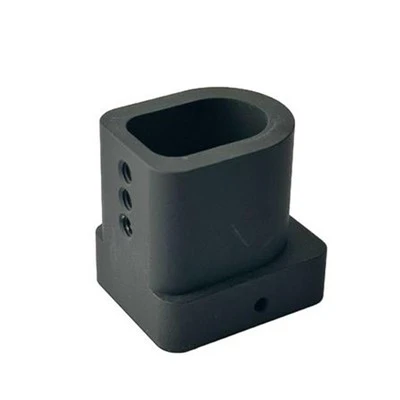
If you’re working on a custom CNC turned project—whether it’s a prototype, a small batch, or a full production run—and you’re not sure which material is right for you, or you need a CNC turning service that can work with tight tolerances, complex geometries, and specialized materials, we’re here to help. We’ve served clients across industries, from medical device startups to large automotive manufacturers, and we have the experience to guide you every step of the way. Reach out to our team today to discuss your project, get a quote, and make sure your parts are made with the right materials for the job.
Iron Casting Machining References
ASM International. (2019). Properties of Carbon and Alloy Steels. ASM Handbook, Volume 1: Properties and Selection: Irons, Steels, and High-Performance Alloys.
ASM International. (2020). Machining of Stainless Steels. ASM Handbook, Volume 19: Machining.
Kutz, M. (2011). Handbook of Materials Selection. John Wiley & Sons.
Metals and Materials International. (2018). Machinability of Aluminum Alloys. Journal of Metals, Materials and Minerals.
Tata Steel. (2021). Carbon Steel Grades and Applications. Tata Steel Technical Publications.
Ningbo Yirui Machinery Manufacturing Co., Ltd.
As one of the most professional cnc turning products manufacturers and suppliers in China, we’re featured by quality products and good price. Please rest assured to wholesale durable cnc turning products made in China here from our factory. Customized orders are welcome.
Address: No.107, Wanzhong Village, Jishigang Town, Haishu District, Ningbo City
E-mail: James.he@yiruitek.com
WebSite: https://www.yiruime.com/
