Hey everyone, it’s Jake here, from that high pressure washer accessories shop you’ve probably seen popping up in your order notifications lately. Today I wanna talk about something that most people sleep on when it comes to pressure washers—you know, that little filter sitting near your hose connection that you might’ve brushed off as “just another part that’s supposed to be there.” I see it all the time in my DMs: “Jake, my pressure washer spits out weak water one day, and the next it’s blowing hoses apart?” 9 times out of 10, the first thing I ask if they checked their water filter. Let’s break this down—no boring jargon, just real stuff that matters for anyone who owns a pressure washer, whether you’re using it to blast dirt off your driveway every weekend or you run a pressure washing route on the side. High Pressure Washer Accessories
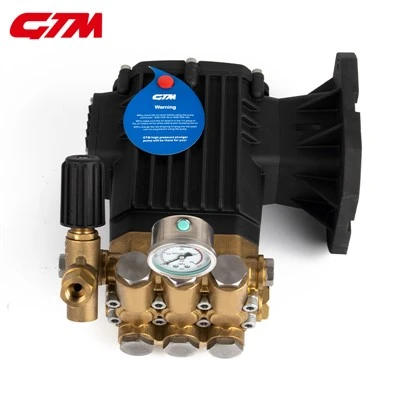
First off, let’s get one thing straight: pressure washers run on way tighter tolerances than your garden hose that you use to water the tomatoes. Your average garden hose just lets water flow through, no fancy bits inside—any tiny gunk, sand, even that random leaf chunk that snuck in when you turned on the tap just goes straight to whatever you’re spraying. But a high pressure washer? Those pumps inside operate at like 1000 to 4000 PSI (some commercial ones hit way higher), and they have super precise moving parts—pistons, valves, seals, all that. If any crud gets past that filter? That’s how you end up with a $500 pump replacement that wasn’t even on your “annual expenses” list. I’ve seen it so many times: a guy rents a pressure washer for a weekend job, doesn’t bother with a filter, uses water from a spigot that’s been sitting unused for a month, and halfway through cleaning a house, the pump seizes up. Total disaster. That’s the first big function of the filter: it acts like the first line of defense for your entire machine.
Wait, not all filters are the same, right? I stock two main types in my shop, and I swear by both for different uses. There’s the inlet filter— that little mesh thing that screws onto the end of your water intake hose, usually plastic with a metal mesh inside. That’s the one everyone can see, if they bother to look. Then there’s the inline filter, which sits between the inlet hose and the pressure washer itself, usually for people with more heavy-duty setups or who use water sources that aren’t super clean (like rain barrels, or spigots out in the country that get sediment from the ground). The mesh size matters, too. Most residential inlet filters have a 50-micron mesh— that’s tiny, like 0.05 millimeters, so it catches sand, rust particles, small bits of debris. The inline ones for commercial use go down to 25 microns, because those guys run their washers 8 hours a day, no time for downtime. Here’s a tip I give everyone who buys a filter from me: don’t grab a filter with a mesh that’s too big. If your mesh is 100 microns, sand and small gravel will slip right through, and that’s abrasive stuff— it’s like pouring sand into your pump. Over time, it will scratch the pump’s cylinders, wear out the seals, and make your pressure drop so bad you’ll be standing there scrubbing for twice as long. I’ve had a customer come back and yell at me “this filter sucks!” because he bought the cheap one with big mesh, and his pump died in 2 weeks. Dude, I told you to get the 50-micron one, I’ll even show you in the shop how to tell the difference. That’s part of the function too— it’s sized specifically to catch only the bad stuff, not restrict water flow so much that your pressure washer can’t build up PSI. Oh right! If you have a filter that’s too small a mesh, or it gets clogged up with gunk, it will starve your pressure washer for water. No water = no pressure. So the balance is key. The filter has to let enough water through to keep the pump working, but catch all the junk that would damage it. That’s why cheap filters are garbage— they cut corners on mesh design, so either they clog too fast or they don’t catch enough stuff.
Let’s talk about another function that people don’t really think about: protecting the nozzle and the wand. Wait, yeah! I’ve had guys call me and say “my spray pattern is all messed up, it’s spraying in weird splatters instead of that tight jet I need.” 7 times out of 10, it’s a tiny piece of debris that slipped past the inlet filter, got stuck in the nozzle tip. Nozzles are super tiny— a 0-degree tip for residential washers is like 0.06 inches wide, literally smaller than the tip of a pencil eraser. If a grain of sand or a rust particle gets in there, it will either clog it completely (so no spray at all) or scratch the inside of the tip, making the spray pattern uneven. When your spray is uneven, you end up wasting time, wasting water, and sometimes even scratching the surface you’re cleaning— like if you have a gritty particle spraying sideways at your car’s clear coat, that’s a fine scratch that only shows up in the sun. I tell my commercial customers to change their inline filter every 3 months, no matter what, because even if you can’t see it, tiny bits of sediment build up over time and will start messing with their nozzles by the end of the season. That’s a big one. I had a pressure washing company owner come to me last month, he was going through 2 nozzles a week for his whole fleet, and we found out he was using a generic filter from a big box store that let tiny iron particles through. Switched him to my 25-micron inline filters, and he’s only going through 1 nozzle a month now. Saved him like $200 in parts, plus no downtime on jobs. That’s the real value here— it’s not just about saving the pump, it’s about making your equipment last longer, and making your work better.
Wait, can we talk about when you should actually use a filter? Because some people think “oh, I don’t need one, my tap water is clean.” But even city tap water has sediment! I’ve tested water from a brand new spigot in a suburban house, after they built a new addition, and there was tiny construction dust in there that you couldn’t see with the naked eye. That stuff goes straight into your pump if you don’t have a filter. And if you use any other water source— like a garden hose that’s been sitting in the sun for a week, a rain barrel, a spigot at a farm, even well water— you absolutely need a filter. Well water is full of minerals and sediment that can build up in your pump over time, even if it doesn’t scratch it. That mineral buildup will make your pump less efficient, lower your PSI, and eventually cause it to overheat. I’ve seen a guy use his pressure washer with well water for a year, no filter, and the pump’s valves were completely crusted over with calcium. Cost him $800 to replace the pump, which he could’ve avoided with a $10 water filter. That’s a no-brainer.
Another thing that I wish more people knew: filters need maintenance. They don’t just “set it and forget it.” If you ignore your filter, it will get clogged, and that’s when you run into problems. I tell every customer to check their inlet filter once a month, or every 10 hours of use— whatever comes first. It’s super easy: just unscrew it from the end of your hose, pull out the mesh, rinse it with water, wipe off any gunk, and pop it back in. If the mesh is torn or bent, replace it— don’t try to tape it or fix it, that’s a cheap fix that will just end up costing you more later. For inline filters, you can either rinse and clean them (they’re reusable usually) or replace them, depending on the brand. I send out little reminder texts to my regular customers when it’s time to check their filter, because I know how easy it is to forget when you’re busy with jobs or just going about your week. Last summer, I had a customer call me panicking because his pressure washer died right before a big party, and when I showed up, the only problem was his inlet filter was completely clogged with leaves and dirt he’d pulled out of the spigot. 2 minutes of cleaning, and he was back in business. He bought 3 extra filters from me that day, said he was gonna keep them in his garage for next time. That’s the kind of stuff I care about— not just selling parts, but making sure people’s equipment works when they need it.
Wait, let’s get into the science for a second, because I know some of you are the “show me the data” types. Pressure washer pumps are positive displacement pumps, right? That means they push a fixed amount of water each cycle. If the inlet has any restriction— like a clogged filter— the pump has to work harder to pull water through, which increases wear on the pistons, the crankshaft, the entire drive system. Over time, that extra work will shorten the pump’s lifespan by 30% or more, according to the pump manufacturers I work with (I have a direct line to a few big pump brands, so I get the real numbers, not the marketing stuff). And the abrasive particles— even tiny ones, smaller than a human hair— act like sandpaper inside the pump. The clearances in a pressure washer pump are like 0.001 inches, so a particle just 0.005 inches across can get wedged between the piston and cylinder wall, causing scratches that leak pressure and reduce performance over time. That’s not me making this up— that’s from the technical docs I get when I stock parts. The water filter is the only thing standing between those particles and that precision machinery. So yeah, it’s not a trivial part. It’s the most important accessory after the hose and the trigger gun, if you ask me.
I can’t tell you how many times I’ve seen people skip buying a filter because they think it’s a waste of $5-$15, only to spend hundreds on repairs. I had a guy come in last month, his residential pressure washer was 2 years old, and the pump was dead. He said he never used a filter, just hooked the hose right up. We checked the pump, and it had so much sand and sediment inside that the pistons were basically seized. Replacement pump for his model was $450, plus labor would’ve been another $150. I showed him a pack of 3 inlet filters for $8, and said “that’s the cost of avoiding this problem for a year, easy.” He felt like an idiot, but he bought the filter, and now he posts about it on his local neighborhood group every few months, telling everyone not to skip the filter. That’s the kind of word of mouth I rely on, and it works way better than any ad.
Now, let’s talk about common mistakes people make with filters, because I want to save you from these. First, buying the wrong size. There are different thread sizes for inlet filters— ¾ inch, ½ inch, whatever fits your hose. Don’t just grab a random filter from the shelf, make sure it matches your hose connection. Second, using a filter that’s too fine or too coarse. Like I said earlier, too fine and it clogs all the time, too coarse and it doesn’t catch enough junk. 50 microns is the sweet spot for most residential use, 25 for commercial. Third, not cleaning or replacing it regularly. I see people use the same filter for 2 years, no cleaning, and then wonder why their pressure washer sucks. Fourth, some people even remove the filter entirely because it’s clogged, and they think that will fix it. Newsflash: that’s the worst thing you can do. You’re removing the only barrier between junk and your pump, so you’re just guaranteeing a big repair bill down the line. Don’t do that. Just clean the filter, it takes 2 minutes.
At the end of the day, the water filter for a pressure washer isn’t a flashy part. It doesn’t make your spray hotter or your PSI higher (well, not directly— if it’s clogged, it makes PSI lower), but it’s the quiet workhorse that keeps your entire machine running. It protects your pump, which is the most expensive part of your pressure washer. It protects your nozzles and wand, so your work is quality. It saves you money in the long run, because you’re not having to replace parts every few months. I’ve been selling pressure washer accessories for 5 years now, and the number one item I recommend to every single customer, no matter if they’re buying a $100 residential washer or a $2000 commercial rig, is a good water filter. It’s that important.
If you’re having trouble figuring out which filter is right for your setup, or you need to restock on filters, nozzles, hoses, any of that stuff, hit me up. I don’t do automated sales bots, I actually answer the messages myself. Just tell me what kind of pressure washer you have, where you use it, and I’ll point you to exactly what you need, no upsells, no garbage. I’m here to make sure your pressure washer works when you need it, not just make a quick buck.
And before I wrap up, a quick reminder: don’t skip the filter. I’ve seen too many people regret it, and I don’t want you to be one of them. Take 2 minutes this weekend to check your filter, rinse it if it’s dirty, and replace it if it’s beat up. Your pressure washer will thank you, and your wallet will too when you don’t have to pay for a new pump.
Hose Reel References
- Pressure Pump Association Technical Guidelines for Industrial Pressure Washer Maintenance, 2022
- Residential Pressure Washer Accessory Performance Study, Outdoor Power Equipment Institute, 2023
- High-Pressure System Component Damage from Contaminated Water, American Water Works Association, 2021
Zhejiang GTM Hi-Tech Intelligent Equipment Co., Ltd.
We are one of the most experienced high pressure washer accessories manufacturers and suppliers in China, also support customized service. Please feel free to buy discount high pressure washer accessories for sale here from our factory. Quality products and reasonable price are available.
Address: No.5 of Changjiang Road, 2nd Economic Development Zone of Wenling, Zhejiang, China
E-mail: yehuanting1@hongyemfg.com
WebSite: https://www.gtmplungerpump.com/
