Let me start by addressing something I get asked at least once a week by playground designers, contractors, and even parents who’ve noticed the sturdy mesh fence around our local elementary school’s play area: Can expanded metal mesh actually be used for playground equipment? For years, I’ve stuck to the industry line that it’s far more than just a barrier—but I recently sat in on a city parks department meeting where a project manager shot down a proposal for climbing walls made from our product, saying it was “too industrial” and “unsafe for kids.” That conversation stuck with me, because it’s not a matter of if expanded metal works—it’s a matter of how we’re choosing to implement it, and how many people don’t realize the full range of playground uses for a material I’ve specialized in for 12 years. Expanded Metal Mesh
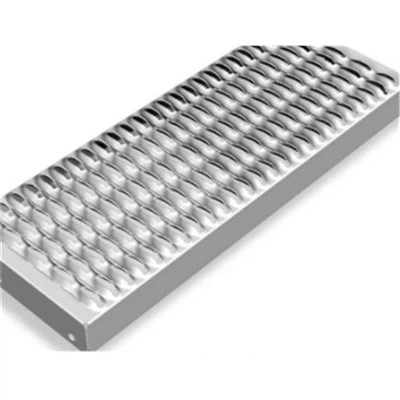
First, let’s clear up what expanded metal mesh actually is, because there’s a lot of confusion between it and other metal materials like wire mesh or perforated sheet metal. Unlike wire mesh, which is made by weaving individual wires together, expanded metal is created by cutting and stretching a single sheet of metal in one continuous process—no separate pieces to come loose, no welded joints that can snap under repeated impact. A 10-gauge galvanized steel sheet, for example, gets fed into a machine that punches slits across its surface, then pulls the sheet apart diagonally to create uniform, diamond-shaped openings. The result is a porous, lightweight, yet rigid structure that’s far stronger than wire mesh of the same thickness because it’s a single, monolithic piece. For playgrounds, that strength is non-negotiable: kids will climb, swing, push, and jump on equipment that bears their full weight, and welds or individual wires are the first points of failure when stress gets high.
Back to that parks department meeting: the manager’s objection wasn’t about safety—it was about perceived harshness. Expanded metal has sharp edges, right? Wait, no—at least not the kind we spec for playground applications. Standard industrial expanded metal has raw, sharp edges that work for things like security grilles or construction barriers, but for play, we run the entire sheet through a secondary deburring and rounding process that smooths every edge to a radius of at least 1/8 inch, per ASTM playground safety standards. We also apply a durable powder coating, not just for color, but to seal any tiny remaining edge imperfections and add a layer of UV resistance that won’t fade or chip after years of sun and rain. I’ve seen playgrounds in Phoenix and Minnesota use our product for over seven years, and the coating still holds up better than plastic or wood alternatives in extreme temperatures.
So where does expanded metal make the most sense in playgrounds? Let’s start with the most obvious, but often overlooked, use case: climbing structures. Traditional playground climbing walls are usually made of plastic handholds bolted to a plywood or OSB base, or heavy-duty rope netting that can stretch over time and fray. Expanded metal climbing panels fix both issues. The diamond-shaped openings give kids consistent grip points with their hands and feet—no more fumbling for a small plastic hold that’s only placed every 12 inches—and since the metal is rigid, the panel doesn’t flex or shift under weight. I worked on a project last year for a community playground in Cleveland that wanted an all-inclusive climbing structure for kids of all abilities, including those with limited mobility. We paired our 1.5-inch diamond opening panels with wider, 2-inch openings on the lower sections, so kids in wheelchairs or with limited dexterity could place their hands or feet through the gaps to climb. The project’s lead designer told me it cut installation time by 30% compared to a custom rope net, because there were no individual handholds to mount.
Another use that’s gaining traction but still underutilized is play panels and interactive elements. Think of the giant tic-tac-toe boards at parks, or the musical chimes that kids strike with sticks—expanded metal is perfect for these because it’s lightweight enough to mount on frames, but sturdy enough to withstand repeated impact without bending. We supplied the panels for a splash pad in Orlando that has custom animal shapes cut from expanded metal, and the kids love that water sprays through the openings to keep them cool while they play. Unlike wood panels that get waterlogged and rot, or plastic that becomes slippery in the sun, our powder-coated expanded metal stays dry to the touch (well, as dry as a splash pad can be) and doesn’t hold moisture that leads to mold or mildew. I also worked on a school playground that added expanded metal puzzle panels—each panel has interlocking shapes cut into the mesh, so kids can solve the puzzle by moving small metal tabs that fit through the openings. Teachers there said it’s one of the most popular learning tools on the playground, because it’s durable enough for 50 kids a day to use without breaking.
Wait, but what about safety? That’s the big question every parent and designer asks, and it’s the part that’s actually more in expanded metal’s favor than many traditional playground materials. Let’s talk about fall height, for example. The Consumer Product Safety Commission (CPSC) sets strict standards for playground surfacing: the surfacing must be able to cushion a child falling from a certain height, and the equipment itself can’t have any openings that could trap a child’s head or limbs. Expanded metal checks both boxes. The CPSC’s playground safety guidelines specify that any opening between 3.5 inches and 9 inches is a head entrapment hazard, and any opening under 2.5 inches is a limb trap. We work with designers to spec diamond sizes that fall outside both ranges: for climbing panels, we use 1.5-inch or 2-inch diamonds, so limbs fit easily through gaps but heads can’t get stuck. And since expanded metal is a solid sheet stretched into mesh, there are no gaps between separate pieces that can pinch fingers—unlike chain-link fencing, which has sharp wire ends that can catch small hands, or wood planks that can splinter over time. We even did a test a few years ago with a local university’s engineering department, dropping a 10-pound test dummy from 8 feet onto our playground-grade expanded metal panels, and it didn’t cause any damage to the panel or the dummy—though I’ll admit, the test dummies don’t like it as much as the kids do.
Now, I’ll be honest: expanded metal isn’t the right choice for every part of a playground. You wouldn’t line a slide with it, because even the smooth edges can be rough on clothing, and plastic or coated aluminum slides are still better for sliding. And for the outer perimeter fence, chain-link or vinyl works just as well for most places—though I’ve supplied expanded metal for high-security playgrounds at schools in urban areas where they need extra barrier strength to keep kids from climbing over the fence. The sweet spot for expanded metal is in areas that need strength, grip, and durability: climbing panels, interactive play structures, sign holders, and even benches. I recently installed expanded metal benches at a playground in Detroit, and they hold up far better than wooden benches that get carved up or plastic benches that crack after a couple of winters. The mesh design means rain drains through instead of pooling, so they never get soggy or moldy, and the powder coating doesn’t peel like the paint on traditional metal benches.
Another benefit that many people don’t think about is sustainability. Expanded metal is 100% recyclable, and since it’s a single piece, there’s no waste from excess wire or cut pieces that get discarded during manufacturing. A lot of playground designers are moving toward more eco-friendly materials, and expanded metal checks that box. Our playground-grade panels use 90% recycled steel, and since they last 20+ years—way longer than wood, plastic, or even aluminum playground equipment—there’s less replacement waste over time. I’ve seen a few projects that repurpose old expanded metal panels from demolished buildings into playground equipment, which cuts down on material costs and keeps waste out of landfills. That’s a big win for cities and schools working on tight budgets.
But let’s circle back to that earlier pushback: why do some people still think expanded metal is too industrial for playgrounds? A lot of it comes from outdated perceptions of the material—most people only see it in warehouses or on construction sites, so they don’t associate it with play. I’ve had to educate dozens of designers and contractors on the safety modifications we make for playground use: the deburring, the rounding edges, the powder coating, and the strict adherence to CPSC standards. It’s not a one-size-f-all material, but when spec’d correctly, it’s one of the safest and most durable options on the market. Last year, I spoke at a playground safety conference in Chicago, and I brought along a sample of our playground-grade expanded metal—letting designers run their hands over the edges, bend a small piece to show its flexibility, and explain how the diamond openings work. By the end of the talk, half the attendees were asking for samples for their next projects.
I also want to address a common myth that expanded metal is too heavy for playground equipment. Sure, a solid steel sheet is heavy, but when it’s stretched into mesh, it’s actually lighter than a solid wood panel of the same size. A 4-foot by 8-foot solid steel sheet weighs about 160 pounds, but when stretched into playground-grade expanded metal, it weighs just 40 pounds—lighter than a standard plywood panel. That makes it easier to install, especially for small contractors or community projects that don’t have heavy lifting equipment. We’ve had plenty of volunteer-led playground builds where locals were able to lift the panels by hand, no crane needed.
At the end of the day, playgrounds are supposed to be places where kids can climb, explore, and play without worrying about equipment breaking or being unsafe. Expanded metal mesh isn’t a trendy new material or a marketing gimmick—it’s a time-tested, versatile solution that works for playground equipment when used correctly. I’ve worked with hundreds of projects over the years, from small neighborhood parks to large municipal complexes, and I’ve seen our expanded metal panels hold up through hurricanes, blizzards, and thousands of hours of play.
If you’re a playground designer, contractor, parks department manager, or even a parent looking to upgrade your local playground, I can help you spec the right expanded metal solution for your needs. Whether you’re looking for climbing panels, interactive play elements, durable benches, or any other playground component, we work with you to meet all safety standards, budget constraints, and design preferences. Don’t let outdated perceptions or misinformation hold your next playground project back—expanded metal can be the durable, safe, and fun addition your community needs. To get started, reach out to discuss your requirements.
Expanded Metal Mesh References:
- U.S. Consumer Product Safety Commission. (2022). Public Playground Safety Handbook.
- American Society for Testing and Materials. (2019). Standard Safety Specification for Playground Equipment for Public Use (F1487-19).
- National Recreation and Park Association. (2021). Sustainable Playground Design Guide.
- International Organization for Standardization. (2020). Playground Equipment – Safety Requirements and Test Methods (ISO 14855:2020).
- Expanded Metal Manufacturers Association. (2023). Specification Guide for Expanded Metal in Playground Applications.
Anping Chenran Wire Mesh Co., Ltd.
We’re well-known as one of the leading expanded metal mesh manufacturers and suppliers in China. With a professional production team, we are able to meet the needs of the majority of our customers. Please rest assured to buy high quality expanded metal mesh in stock here from our factory.
Address: 500 Meters North of Guozhuang Village, Daziwen Town, Anping County, Hengshui City, Hebei, China
E-mail: sales@chenranwiremesh.com
WebSite: https://www.chenranwiremesh.com/
