If you’ve ever walked down the dried produce aisle of an Asian grocery store, or flipped through the ingredients list of a comforting Asian soup or stir-fry, you’ve probably spotted two dark, wrinkled fungus varieties: black fungus and elm ear. As a supplier specializing in these dried ingredients, I get more questions about their safety than almost anything else—from home cooks worried about unappetizing side effects to first-time users nervous about adding them to their rotation. The most common one I hear is: do dried black fungus and elm ear have any side effects? It’s a fair question. Like any whole food, these fungi aren’t risk-free, but their downsides are easy to avoid if you know what to look for, and most of the concerns people have stem from misinformation or poor handling, not the fungi themselves. Let’s break this down honestly, from my years working with these products, to help you cook with them confidently. Dried Black Fungus & Elm Ear
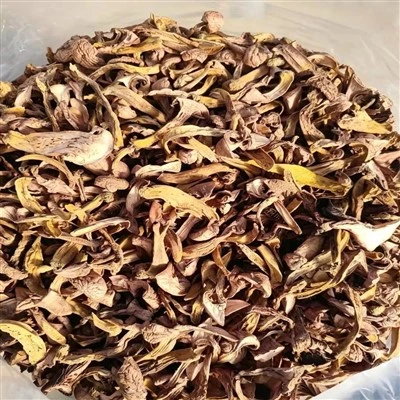
First, let’s get clear on what these two fungi are, because that’s where a lot of confusion starts. Dried black fungus (also called wood ear) is the dark, ear-shaped variety you recognize—thin, rubbery when rehydrated, with a mild, earthy flavor and that satisfying crunchy texture so many people love in salads or hot pot. Elm ear, on the other hand, is a paler, grayish-brown, slightly smoother cousin that grows on elm trees, with a milder, softer taste and is often used in lighter dishes like congee or clear soups. Both are nutrient-dense, packed with fiber, iron, and antioxidants, which is why they’re staples in Chinese, Korean, Vietnamese, and other cuisines across East and Southeast Asia. But when it comes to side effects, the biggest risks aren’t in the fungi themselves—they’re in how people rehydrate, prepare, or store them. That’s something I’ve stressed to every customer who works with our dried stock, whether they’re a home cook making dinner for their family or a restaurant buying bulk for their menu.
The most talked-about potential side effect of black fungus in recent years relates to biogenic amines and, in rare cases, food poisoning from improper rehydration. I’ve seen a few viral articles online warning that rehydrated black fungus left at room temperature for too long can produce toxins that cause liver damage or even death. That sounds terrifying, and I get why it scares people, but it’s important to put that in context. The incidents that made the news were almost always from large amounts of black fungus being rehydrated and left sitting in warm, humid conditions for 24 to 48 hours—way longer than anyone should leave it out. Let’s clarify: our dried black fungus, when stored correctly in a cool, dry place, has a nearly infinite shelf life (we always recommend using it within two years for best texture), and it’s completely safe as long as you follow basic preparation steps. The risk only comes when you rehydrate it in warm water (over 40°C, or 104°F) and leave it at room temperature for more than 6 to 8 hours, or let leftover rehydrated fungus sit in the fridge for more than 2 to 3 days. Bacteria like Bacillus and molds can grow on the moist, porous surface of rehydrated fungus, especially if it’s not submerged in clean water or stored properly. Elm ear has a similar porous structure, so it carries the same small risk if handled wrong, though I’ve seen far fewer reports of illness from elm ear specifically, likely because it’s often used in smaller quantities or in dishes that cook it longer, like soups.
I’ve had customers come to me after reading those viral stories, asking if they should stop buying black fungus entirely. My answer is always no—just adjust your rehydration habits. For home cooks, rehydrating in cold water in the fridge overnight (8 to 12 hours) is the safest method. It slows bacterial growth, and the fungus rehydrates evenly without getting mushy. If you’re in a hurry, warm water works, but don’t leave it out for more than an hour or two—drain it as soon as it’s pliable, don’t oversoak it. And if you have leftover rehydrated fungus, cook it immediately if possible, or store it in an airtight container in the fridge for no more than 2 days. Cooking the fungus also kills any potential bacteria, so that leftover in your fridge is much safer to toss into a stir-fry 2 days later than it would be sitting on your counter at room temperature. As a supplier, we include a small prep guide with every bulk order and many of our retail packs (we print it right on the bag for easy reference) because we want our customers to feel confident cooking with our products, not scared.
Another common concern is digestive issues. A lot of people new to black fungus or elm ear complain about bloating, gas, or even mild constipation when they first start eating them. Why is that? The answer is their high dietary fiber content—both fungi are loaded with insoluble fiber, which is great for long-term gut health, but it can take your digestive system a few days to adjust to. If you’re not used to eating a lot of high-fiber foods, adding a large serving of rehydrated fungus (which is almost entirely fiber when you account for the water it absorbs) can cause temporary discomfort. I’ve seen this most often in customers who try a big black fungus salad for the first time after years of eating a low-fiber diet. The fix here is simple: start small. Add a handful of fungus to a soup or stir-fry a few times a week, rather than piling a huge amount into one dish, and drink plenty of water when you eat them—fiber works best when it’s hydrated, so skipping water can make the digestive issues worse. If you have a pre-existing digestive condition like IBS, it’s a good idea to check with your doctor before adding them in large quantities, but for most healthy people, this is just a temporary adjustment period, not a harmful side effect.
There are also a few rare, less common side effects that are worth mentioning, just to be transparent. Some people may have an allergic reaction to black fungus or elm ear, though these allergies are relatively uncommon. Symptoms can include itching, hives, swelling of the lips or tongue, or difficulty breathing—if that happens, stop eating them immediately and seek medical help. I’ve only had a handful of customers report this over the years, which is a tiny number compared to how many people use these fungi regularly, but it’s something to be aware of. Another point: like many plant-based foods, black fungus can absorb heavy metals from the environment when it’s growing. That’s why as a supplier, we source our fungi from trusted, certified farms that test their crops regularly for heavy metal contamination. We’ve never had a batch that failed testing, and we work directly with farmers who follow sustainable, regulated growing practices to ensure our products are safe. I’d never sell a fungus I wouldn’t give to my own family, so this is non-negotiable for me.
Wait, what about dried vs. rehydrated fungus? Some people also worry that the drying process adds chemicals or makes the fungus less safe. That’s another myth, as long as the drying is done properly. Our fungi are dried using low-temperature, natural air drying (no harsh chemicals, no preservatives, no sulfites—we never add anything to our products), which locks in their nutrients and flavor while making them shelf-stable. Some cheaper, low-quality dried fungus on the market may use sulfur dioxide to keep them looking bright, but that’s not something we do, and it’s actually a common cause of mild side effects like headaches or respiratory irritation in sensitive people. We always advertise that our products are 100% natural, no additives, and that’s a promise we stand by. If you’ve ever bought a cheap bag of black fungus that looked unnaturally black or smelled chemical-like, that’s probably why—avoid those, and opt for reputable suppliers who care about quality.
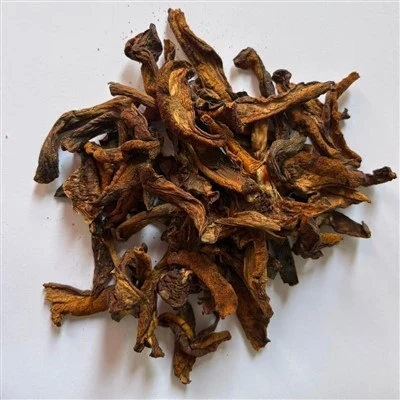
I want to make it clear that I’m not dismissing the small risks here, but they’re all preventable with basic knowledge and good handling. Dried black fungus and elm ear are safe, nutritious, and versatile ingredients that have been used in traditional medicine and cooking for thousands of years, with far more benefits than downsides. I’ve been in this business for over a decade, and I’ve never had a customer report a serious side effect from properly handled fungus. The only issues I see are from people skipping the basic prep steps I mentioned—leaving rehydrated fungus out for days, eating more than their body is used to, or buying low-quality, chemically treated products.
Mushroom Soup Mixes If you’re a home cook looking to add these fungi to your meals, or a restaurant owner wanting a reliable, safe supplier for your menu, I’d encourage you to start small, follow the simple rehydration rules, and give them a try. Our dried black fungus and elm ear are tested, natural, and come with clear prep instructions to make sure you have a great experience. If you have questions about rehydration, storage, or how to incorporate them into your dishes, feel free to reach out to our team—we’re always happy to help. Whether you need a small bulk order for a family-owned restaurant or a few bags for your personal use, we’re here to provide quality products and the support you need to cook with confidence.
References
- Food and Drug Administration. (2022). "Foodborne Toxins Associated with Mushrooms and Fungi." FDA Consumer Updates.
- Zhang, Y., et al. (2020). "Biogenic Amine Formation in Rehydrated Wood Ear Mushrooms (Auricularia auricula-judae) under Different Storage Conditions." Journal of Food Protection, vol. 83, no. 12, pp. 1987-1994.
- European Food Safety Authority. (2019). "Risk Assessment of Dietary Fiber Intake and Gastrointestinal Effects." EFSA Journal, vol. 17, no. 10, pp. 5821.
- Lee, S., et al. (2018). "Allergens in Edible Fungi: A Review of Clinical and Molecular Aspects." Allergy, Asthma & Immunology Research, vol. 10, no. 5, pp. 479-491.
- Ministry of Agriculture and Rural Affairs of China. (2021). "Standards for Contaminant Limits in Agricultural Products: Dried Edible Fungi." National Food Safety Standards of China.
Qingyuan Manchu Autonomous County Lichang Native Produce Co., Ltd.
We are one of the most professional dried black fungus & elm ear manufacturers and suppliers in China, featured by quality products and good price. Please rest assured to wholesale bulk dried black fungus & elm ear for sale here from our factory. Welcome to view our website for more information.
Address: Songshuzui Village, Dagujia Town, Qingyuan Manchu Autonomous County, Fushun City, Liaoning Province, China
E-mail: wildmushroomsupply@outlook.com
WebSite: https://www.wildmushroomsupply.com/
